
Coal Bed Methane?
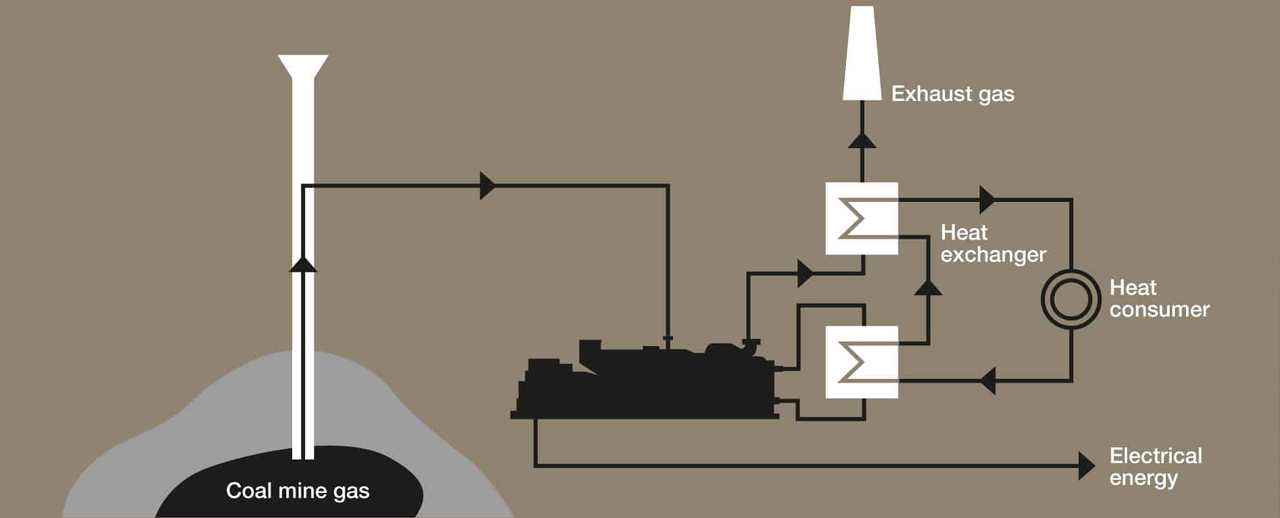
Coal Bed Methane (CBM) is an unconventional natural gas found within coal deposits or seams, formed during the coalification process, where plant material transforms into coal. CBM has become a valuable energy resource, with its reserves and production increasing nearly every year since 1989, and a variety of recovery methods make it a reliable energy source. CBM can be extracted from coal seams either before, during, or after mining, and it can also be obtained from "unminable" coal seams that are too deep, thin, or of inconsistent quality. Both vertical and horizontal wells are used to access CBM, with the extraction process involving drilling into coal seams and removing water to reduce hydrostatic pressure. This release of pressure allows absorbed and free gas to be released from the coal
Challenges and Environmental Considerations in Coal Bed Methane (CBM) Development
CBM extraction is progressing through research focused on assessing resources, identifying productive geological zones, optimizing recovery methods, advancing drilling technology, and capturing diluted gas.
Environmental impacts are also being evaluated, as CBM extraction releases methane—a greenhouse gas—contributing to 8% of global methane emissions. Drilling disturbs ecosystems, and production behavior can be unpredictable, requiring detailed assessment of variables like gas content and reservoir pressure.
A key concern is the impact of saline water discharge on freshwater ecosystems, which has led to land disputes over potential water damage. Responsible CBM development requires strong communication and collaboration among industry, government, NGOs, and landowners.