
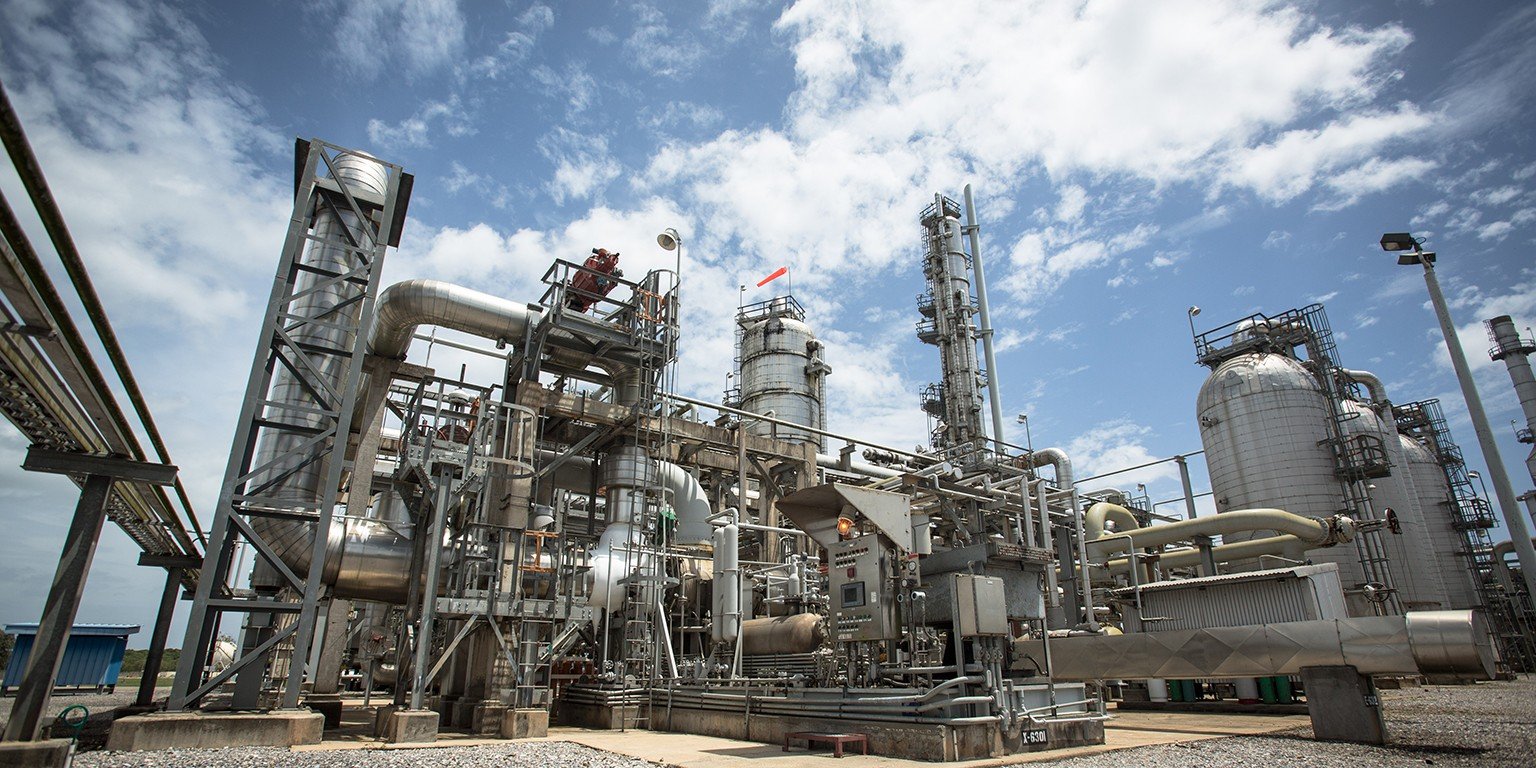
Natural gas
Natural gas, primarily methane, formed from ancient marine organisms buried under sedimentary rock and transformed by heat and pressure. It is found in porous rock reservoirs, trapped by caprock.
Conventional gas is extracted by drilling, while unconventional sources like shale and coalbed methane require specialized methods. Associated gas, found with oil, is now mostly captured and used.
There are two main types: biogenic (dry gas) from shallow bacterial decay and thermogenic (wet gas) with additional hydrocarbons like ethane, separated for industrial uses.
After extraction, natural gas is processed to remove impurities and separate NGLs, creating “pipeline-quality” gas for distribution or liquefaction as LNG. It powers heating, electricity, vehicles (CNG), and supports chemical production.
Environmental Impact and Growth of Natural Gas Development
Natural gas development, especially in the U.S., has surged due to advances in horizontal drilling and hydraulic fracturing. Burning natural gas produces fewer greenhouse gas emissions and air pollutants than other fossil fuels, with nearly half the carbon emissions of coal when used for electricity generation. However, natural gas remains a nonrenewable source of greenhouse gases, with methane—a potent greenhouse gas—having roughly 34 times the impact of CO₂. During drilling, methane can leak into the atmosphere, worsening climate change. Gas leaks also pose significant risks to nearby communities, as natural gas is colorless, odorless, toxic, and highly explosive. Additionally, the drilling process impacts the environment through land disturbance and waste management challenges.